Share
+ more Maine environmental news.
 ‌ ‌ ‌ ‌ ‌ ‌ ‌ ‌ ‌ ‌ ‌ ‌ ‌ ‌ ‌ ‌ ‌ ‌ ‌ ‌ ‌ ‌ ‌ ‌ ‌ ‌ ‌ ‌ ‌ ‌ ‌ ‌ ‌ ‌ ‌ ‌ ‌ ‌ ‌ ‌ ‌ ‌ ‌ ‌ ‌ ‌ ‌ ‌ ‌ ‌ ‌ ‌ ‌ ‌ ‌ ‌ ‌ ‌ ‌ ‌ ‌ ‌ ‌ ‌ ‌ ‌ ‌ ‌ ‌ ‌ ‌ ‌ ‌ ‌ ‌ ‌ ‌ ‌ ‌ ‌ ‌ ‌ ‌ ‌ ‌ ‌ ‌ ‌ ‌ ‌ ‌ ‌ ‌ ‌ ‌ ‌ ‌ ‌ ‌ ‌ ‌ ‌ ‌ ‌ ‌ ‌ ‌ ‌ ‌ ‌ ‌ ‌ ‌ ‌ ‌ ‌ ‌ ‌ ‌ ‌ ‌ ‌ ‌ ‌ ‌ ‌

View in browser   |   Forward

logo for the climate monitor newsletter

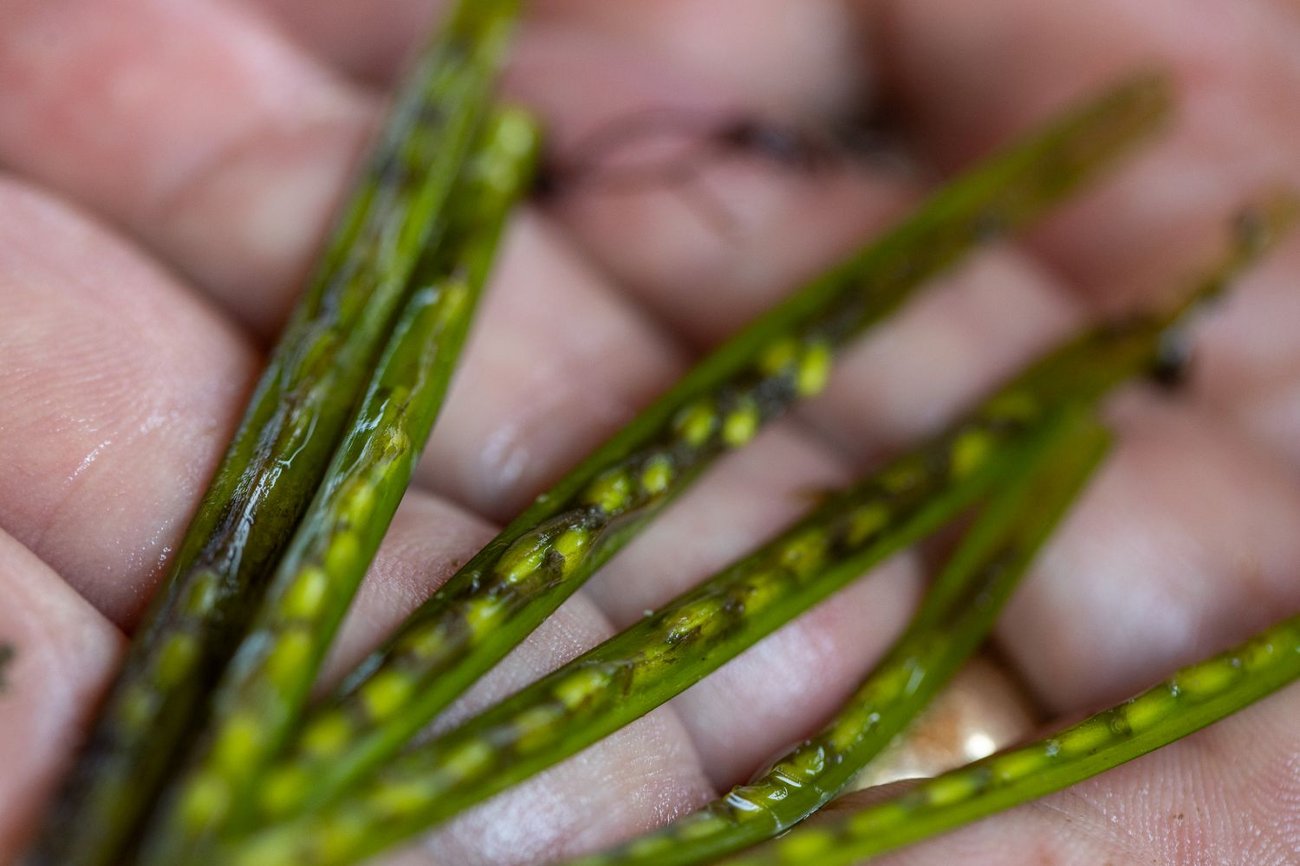
A volunteer holds reproductive shoots of eelgrass on Aug. 7, 2026 in Harpswell. The seeds will be collected and potentially used to start new meadows in Casco Bay. Photo by Jamie Walter for The Maine Monitor.

banner that says by Delger Erdenesanaa, the environment reporter for the maine monitor

Seagrass restoration from the Chesapeake to Casco Bay


Maine is famous for its coastline and fishing industry. But the ecosystems that sustain coastal communities and fisheries are some of the most vulnerable to climate change and other human pressures.


I just published a pair of stories about seagrass meadows, which local scientist Glenn Page calls “the world’s greatest kindergarten” for young fish, lobster and other sea creatures. Seagrass used to grow abundantly along Maine’s coast, but it has been declining rapidly since at least the 1990s. 


Photographer Jamie Walter and I recently tagged along with Page and a team of scientific divers racing to understand and save these underwater meadows. To learn more and see what these stunning ecosystems look like when they’re healthy, check out our story published last week.


I also spoke with a scientist in Virginia who manages one of the world’s longest-running seagrass monitoring and restoration programs. The experiences of scientists tracking and successfully restoring seagrass there offers hope and lessons for the efforts here in Maine.


Another coastal ecosystem that Maine used to have is wild oyster reefs. While the state has a booming oyster farming industry, wild oysters have all but died out here. Abi Brissett, who finishes her summer fellowship with The Maine Monitor today, recently covered efforts to restore these reefs to Maine’s coast, which may prove to be even more challenging than restoring seagrass.

Another one of our fellows, John Forbes, recently dug into a state program meant to help low-income homeowners detect and treat arsenic in their wellwater.


Since 2017, the Private Well Safe Drinking Water Fund administered by MaineHousing has helped 182 homeowners install filtration systems.


The cost of these systems is rising all the time, and the program has already gone through nearly $1 million. It would need more funding from the Legislature to continue.

Know of a story The Maine Monitor should look into? Click the banner to contact the newsroom.
banner that reads from the maine monitor

Even small Maine towns are weighing data center bans | The Maine Monitor and the Bangor Daily News


Norway Planning Board rejects solar array, advances apartment redevelopment | Monitor Local


Eastport Council unanimously adopts moratorium on DeepGreen underwater data center proposal | Monitor Local


Jay Select Board hears opposition to what could become the largest solar farm in Maine | Monitor Local


Shellfish warden urges Lubec residents to report illegal clam harvesting | Monitor Local


Jonesport voters overwhelmingly approve ordinances extending construction window for Kingfish Maine | Monitor Local

banner that reads in other maine environment news

The following stories are from other newsrooms. While The Maine Monitor does not place its content behind a paywall, some newsrooms we link to below may. Paywalled stories are followed by a ($). We encourage you to consider supporting local Maine newsrooms.

Maine paper mill employees asked for safety monitors for decades. It took 2 deaths to get them | Portland Press Herald ($)


Maine shifts focus to mental health as PFAS crisis deepens | Portland Press Herald ($)


East Millinocket firefighters 1st in Maine to get PFAS-free gear | Bangor Daily News ($)


Maine’s biggest dam owner faces reckoning after another Penobscot River fish kill | Bangor Daily News


Maine blueberry farmers hopeful for 2026 after ‘devastating’ losses last year | Bangor Daily News ($)


As Poland Spring seeks to renew a water withdrawal permit, Denmark residents push back | Maine Public


Gulf of Maine Research Institute is helping Hannaford assess its climate risk | Maine Public


Maine scientists tag sharks to collect data that will inform potential offshore wind farm | WMTW


NOAA’s new priorities put profits ahead of marine protections | Inside Climate News


Climate cash is about to pour into East Coast states. Here’s why | E&E News by Politico

Know of someone who is passionate about getting information into the hands of their fellow citizen? They might be perfect for the community reporting fellowship. Click the banner for more information and to apply.

Have feedback, a correction or know of something we should look into? Send it to our newsroom. You can also email The Monitor's editors: editors@themainemonitor.org.  


The Maine Monitor is a publication of the Maine Center for Public Interest Reporting, an independent and nonpartisan nonprofit news organization that produces investigative journalism. We believe news is a public good and keep our news free to access. We have no paywall and do not charge for our newsletters. If you value the reporting we do for Maine, please consider making a donation! We cannot do this reporting without your support.

DONATE NOW
banner that states the maine monitor is part of the trust project, an international consortium of news organizations implementing transparency standards. tap to learn about the monitor's editorial standards.

Manage preferences | Update email address


Email Marketing by ActiveCampaign