Share
+ more Maine environmental news.
 ‌ ‌ ‌ ‌ ‌ ‌ ‌ ‌ ‌ ‌ ‌ ‌ ‌ ‌ ‌ ‌ ‌ ‌ ‌ ‌ ‌ ‌ ‌ ‌ ‌ ‌ ‌ ‌ ‌ ‌ ‌ ‌ ‌ ‌ ‌ ‌ ‌ ‌ ‌ ‌ ‌ ‌ ‌ ‌ ‌ ‌ ‌ ‌ ‌ ‌ ‌ ‌ ‌ ‌ ‌ ‌ ‌ ‌ ‌ ‌ ‌ ‌ ‌ ‌ ‌ ‌ ‌ ‌ ‌ ‌ ‌ ‌ ‌ ‌ ‌ ‌ ‌ ‌ ‌ ‌ ‌ ‌ ‌ ‌ ‌ ‌ ‌ ‌ ‌ ‌ ‌ ‌ ‌ ‌ ‌ ‌ ‌ ‌ ‌ ‌ ‌ ‌ ‌ ‌ ‌ ‌ ‌ ‌ ‌ ‌ ‌ ‌ ‌ ‌ ‌ ‌ ‌ ‌ ‌ ‌ ‌ ‌ ‌ ‌ ‌ ‌

View in browser   |   Forward

logo for the climate monitor newsletter

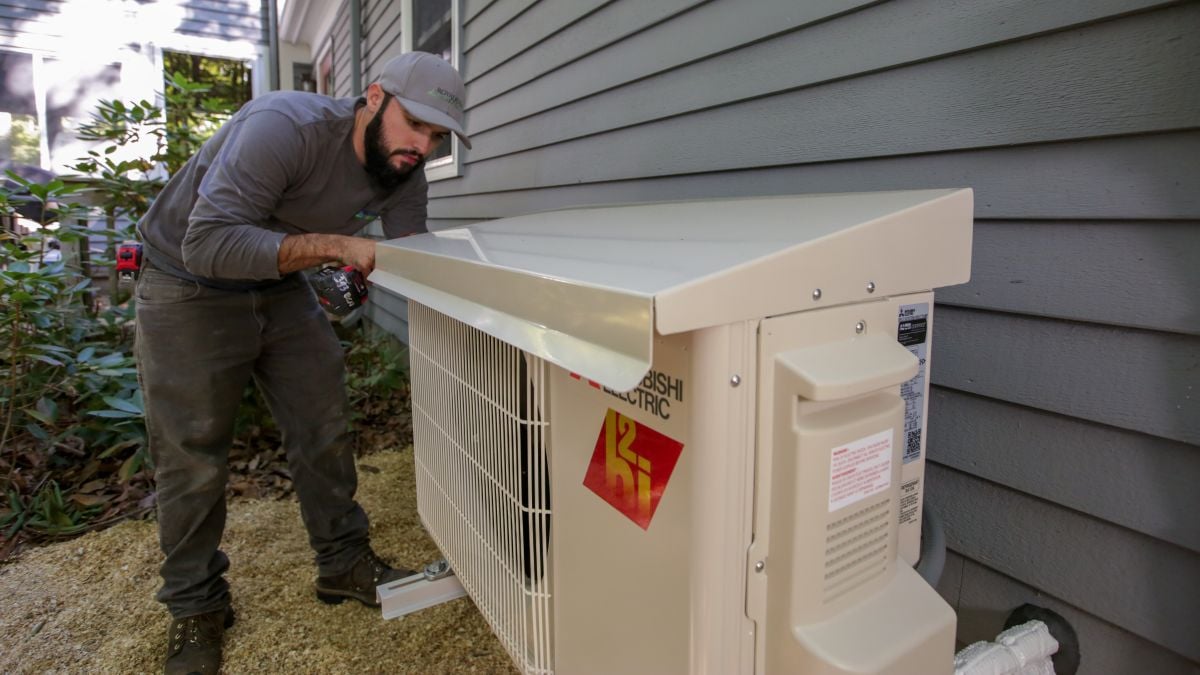
A technician installs a cap to protect a heat pump from snow and ice. Many Mainers are switching from oil heaters to heat pumps, which are more efficient and reduce fossil fuel use overall, but increase electricity demand from the grid. Photo courtesy Efficiency Maine.

banner that says by Delger Erdenesanaa, the environmental reporter for the maine monitor

New England grid operator forecasts modest growth in electricity demand over next 10 years


As more people in Maine and New England buy heat pumps and electric vehicles, power grid operator ISO New England expects electricity use in the region to grow by about 9 percent over the next decade, according to a report released on May 1. 


While this latest annual forecast still predicts overall growth, the projections are more conservative than in recent years, in large part due to changes in federal government policies on climate change and energy. Last year, ISO New England had projected about 11 percent growth in electricity demand over the next decade. 


But regardless of the pivot at the federal level, Maine’s state-level energy efficiency goals and programs remain intact, according to those programs’ administrator, the Efficiency Maine Trust.


The projected growth for the New England power grid would reverse the past two decades’ trend of falling electricity use as heating and cooling systems, lighting and appliances all grew more energy-efficient. Demand for electricity from the grid also fell as people installed solar panels that generate power “behind the meter.”


“We’ve had years of relatively flat demand, and that’s thanks to states in the region making real investments in energy efficiency measures. But looking ahead to the future, there is going to be a shift,” said Mary Cate Colapietro, a spokesperson for ISO New England. 

READ THIS STORY

If you value reporting like this and want to see more in-depth reporting on Maine’s environment, natural resources and energy needs, please support our reporting.


The Maine Monitor is an independent 501 (c)(3) nonprofit organization. Reader support makes it possible to produce deeply reported stories like this and keep them free for all Mainers to read. 


We’re asking our community to come together and help us raise $70,000 during our Spring Fundraising Drive. 

Will you make a gift today to support our essential journalism for Maine?

Yes, I want to support The Maine Monitor!
banner that reads "on our radar"

Other states are looking to Maine for lessons on how to deal with pollution from PFAS, also called “forever chemicals.” Maine was the first state to ban PFAS-contaminated sewage sludge from being spread on farmland as fertilizer, and other states are also beginning to limit this practice.


Fellow environment journalist Marina Schauffler recently published a book on Maine’s PFAS pollution called “Inescapable: Facing Up to Forever Chemicals,” and Wisconsin Public Radio just interviewed Schauffler about what other states can learn.

banner ad for the Wells Reserve.
banner that reads from the maine monitor

Harvesters, scientists and town officials coordinate steps to rebuild clam population


Bond to support farm and forestry funding will not be on November ballot

banner that reads in other maine environment news

The following stories are from other newsrooms. While The Maine Monitor does not place its content behind a paywall, some newsrooms we link to below may. Paywalled stories are followed by a ($). We encourage you to consider supporting local Maine newsrooms.

Maine’s community solar boom is going bust | Canary Media


The one you’ve been waiting for: AI | Maine Public


The artist showing seabirds home | bioGraphic


Wild blueberry farms across Maine suffer as climate change upends growing seasons | Inside Climate News


A native insect that kills trees is making a comeback in Maine | News Center Maine


Some Maine schools have unsafe radon levels. Most haven’t been tested | Portland Press Herald ($)


How a data center derailed $240,000 for affordable housing in rural Maine | Daily Yonder


Advocates call for new state standards to hit Maine’s environmental goals | Portland Press Herald ($)


This couple moved to Bangor to flee climate change in Texas | Bangor Daily News ($)

Know of a story The Maine Monitor should look into? Click the banner to contact the newsroom.

Have feedback, a correction or know of something we should look into? Send it to our newsroom. You can also email The Monitor's editors: editors@themainemonitor.org.  


The Maine Monitor is a publication of the Maine Center for Public Interest Reporting, an independent and nonpartisan nonprofit news organization that produces investigative journalism. We believe news is a public good and keep our news free to access. We have no paywall and do not charge for our newsletters. If you value the reporting we do for Maine, please consider making a donation! We cannot do this reporting without your support.

DONATE NOW
banner that states the maine monitor is part of the trust project, an international consortium of news organizations implementing transparency standards. tap to learn about the monitor's editorial standards.

Manage preferences | Update email address


Email Marketing by ActiveCampaign