Share
+ more Maine health care news.‌
 ‌ ‌ ‌ ‌ ‌ ‌ ‌ ‌ ‌ ‌ ‌ ‌ ‌ ‌ ‌ ‌ ‌ ‌ ‌ ‌ ‌ ‌ ‌ ‌ ‌ ‌ ‌ ‌ ‌ ‌ ‌ ‌ ‌ ‌ ‌ ‌ ‌ ‌ ‌ ‌ ‌ ‌ ‌ ‌ ‌ ‌ ‌ ‌ ‌ ‌ ‌ ‌ ‌ ‌ ‌ ‌ ‌ ‌ ‌ ‌ ‌ ‌ ‌ ‌ ‌ ‌ ‌ ‌ ‌ ‌ ‌ ‌ ‌ ‌ ‌ ‌ ‌ ‌ ‌ ‌ ‌ ‌ ‌ ‌ ‌ ‌ ‌ ‌ ‌ ‌ ‌ ‌ ‌ ‌ ‌ ‌ ‌ ‌ ‌ ‌ ‌ ‌ ‌ ‌ ‌ ‌ ‌ ‌ ‌ ‌ ‌ ‌ ‌ ‌ ‌ ‌ ‌ ‌ ‌ ‌ ‌ ‌ ‌ ‌ ‌ ‌

View in browser   |   Forward

logo for the health monitor
this newsletter was produced by rose lundy

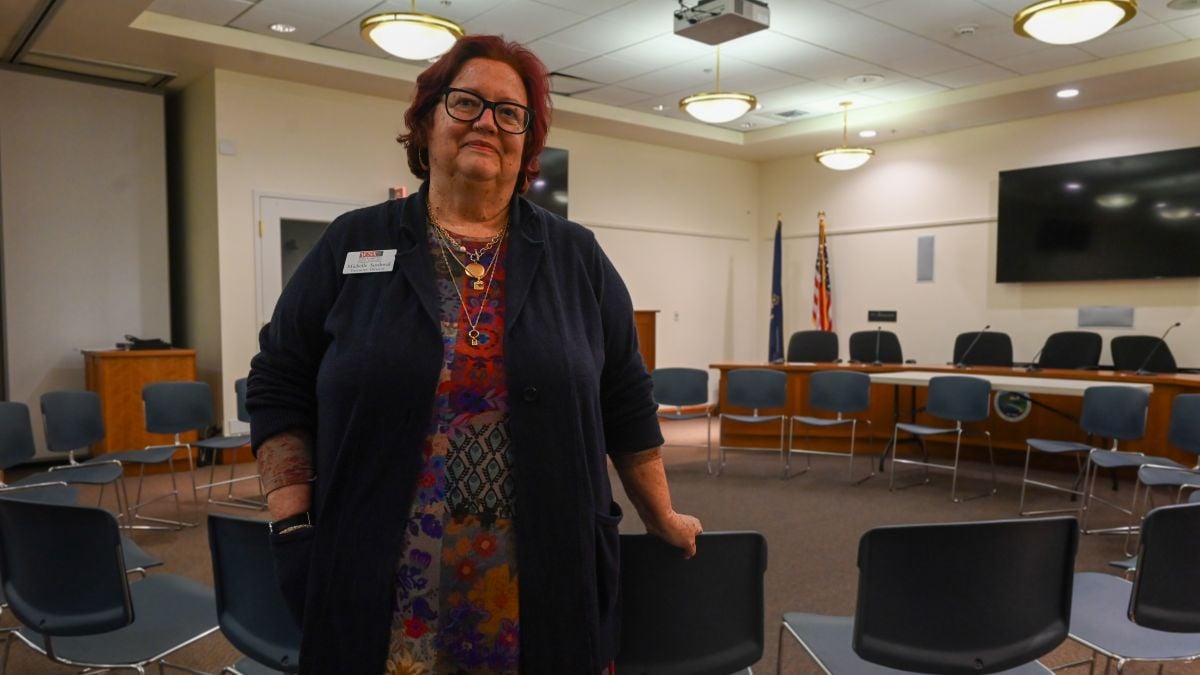
As the executive director of the York Community Service Association, Michelle Surdoval helped establish a death cafe in York so people could have conversations about death. She later found the conversations personally helpful as her husband got older and decided to end his life under Maine's Death with Dignity law. Photo by Kristian Moravec.

Her husband wanted to die with dignity. A death cafe helped them prepare.


Michelle Surdoval's husband took medication in August to end his life under Maine's Death with Dignity law. He had been diagnosed with cancer. Two weeks of treatment made him very ill, so he decided he did not want to suffer or add to his family’s pain, Surdoval said. While she fully supported his decision, Surdoval said she still felt a web of emotions: anguish at losing him, gratitude that they could prepare, relief that he could pass peacefully. 


A so-called death cafe in York helped them explore and understand their emotions ahead of time.


Death cafes are not support groups but rather offer guided discussions where people can ask questions about the end of life, share their concerns and make plans for the future. The meetings, which are free to attend, are led by a death doula who provides emotional support and practical help to those nearing the end of their life. 


As the executive director of the York Community Service Association, Surdoval had helped establish the death cafe in York to provide a way for people to have conversations about death. While she first started attending the cafes as part of her job, Surdoval began finding the conversations personally helpful as her husband got older.


Surdoval, who previously worked in public health for 30 years and studied to be a grief counselor, said death can be a difficult topic for people to broach.


“People are afraid to talk about death and dying under any circumstances, and this is as probably as bold a way to discuss the subject as any,” she said.


There have been many of these death cafes across the state, including Portland, Scarborough, Kennebunkport, Auburn and Bridgton. While the discussions don’t happen on a set schedule, information about upcoming cafes can be found online.


During a recent death cafe at the York Public Library, death doula Leona Oceania wore a black skirt decorated with skulls and brought individually wrapped mini cakes in the shape of skulls. About 20 attendees sat on chairs in a circle in the gathering space in the library. Some were first-timers; others had attended multiple death cafes. 


They all had different reasons for being there. One woman said she was grappling with the likelihood that she would die alone. A man said he was facing a potentially life-threatening situation. Another woman said she is a caretaker for her mother and is starting up a death cafe in Guilford.


“No one wants to die,” Oceania told the group. “There's no getting around the fact that it's going to be sad and overwhelming and difficult, but we're all going to die, and it's possible to experience a good death. The key to that is preparation and communication."

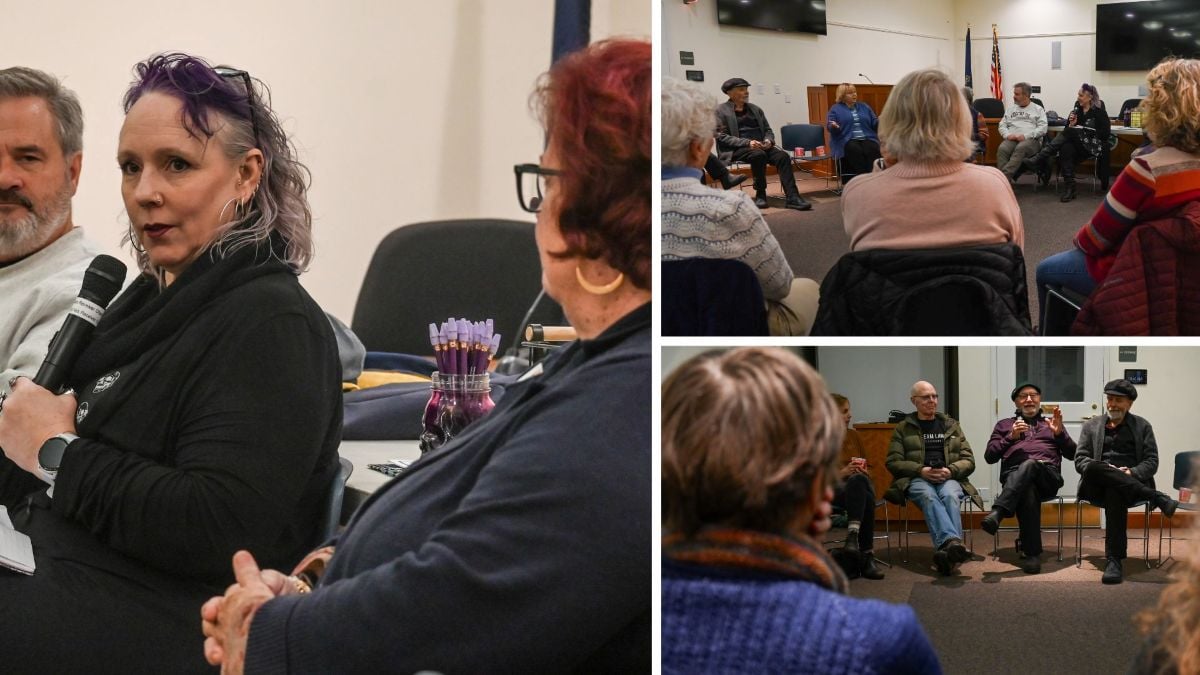
Death doula Leona Oceania, pictured at left, facilitated a death cafe at the York Public Library in November. About 20 people attended to have conversations about death. Photo by Kristian Moravec.

After Oceania opened the floor for discussion, a woman said her doctor looked like a deer in the headlights when she asked about death with dignity.


Maine passed a Death with Dignity law in 2019, which permits residents of Maine, who are 18 and older with fewer than six months to live, to voluntarily take a combination of medications to end their life. Oceania told the group that the person must demonstrate the capacity to make the decision and ingest the medication on their own.


Two doctors must agree the person meets the requirements of the law. They must make two verbal requests, with a 15-day period between the requests, and submit a written request that is witnessed by two people, one of whom cannot be related and does not stand to gain from the death. As of September, doctors now have the option to reduce the waiting period at their own discretion.


Last year, 66 patients in Maine started the death with dignity process, according to an annual report from the Maine Department of Health and Human Services. Five of the patients were still alive at the time of the report.


Surdoval told the death cafe attendees that her husband’s experience with medical aid in dying was a positive experience for her family. Her husband, Wally Schauer, knew for a long time that he would choose death with dignity if he ever got too sick.


Schauer was 22 years older than Surdoval, so the reality that he would likely die first was always in the back of her mind, Surdoval told The Maine Monitor. They were married 43 years. They shared three children from each of their previous marriages, and five grandchildren.


Surdoval described her husband as a brilliant engineer, loving husband, and a man filled with warmth and charm who was charismatic in a quiet way.


Schauer was 95 when he died. He had seen his father suffer through cancer treatment and how it strained their family. When Schauer got cancer himself, he didn’t want the same for his family, so he decided he was done, Surdoval said.


They started the death with dignity process and set the date for a Friday in August. Schauer’s children and grandchildren gathered, including some who traveled from England. They spent the morning all together in Schauer and Surdoval’s home in Cape Elizabeth, until five minutes before the set time. Schauer clapped his hands and said, “All right everyone, time to go.”


They said their goodbyes, leaving Schauer and Surdoval with Oceania, their death doula. After taking the medication, it can sometimes take hours for the person to die, Surdoval said. She was prepared to sit with her husband for a long time, but he died after about 10 minutes. The experience felt safe and loving and not brutal, she said. 


Their conversations at death cafes helped normalize the idea of death and helped Surdoval avoid possible triggers. One thing she learned is that the zipper of the body bag can create a post-traumatic stress response later to other zippers, such as zipping up a coat. Surdoval was relieved when the people who picked up Schauer’s body used a quilt instead.


Surdoval said her grief isn’t linear. While she’s grateful her husband died on his terms, it does not lessen the loss she feels.


“Please don't misunderstand this calmness from which I can speak. I am heartbroken, and there's no reason to live, and life is stupid, and I can't do this without him. I have all those thoughts and feelings going on,” she said.


But on the days when she feels better, Surdoval said she views the experience as a gift and an obligation to share with others, so they can prepare with their families.


“When I'm in this place right now, feeling really centered and clear, it's an honor and a privilege to even tell this story,” she said.

banner that reads in case you missed it

I published a months-long investigation over the weekend that looked into opioid use among older Mainers.


I spoke to family doctors, addiction treatment providers and public health officials who have seen anecdotal increases in older adults struggling with opioid use, pointing to the potential emergence of a growing problem in pockets of the state.


We also looked at the number of Medicare patients in Maine who were 65 and older and received buprenorphine treatment for their addiction to opioids. That number increased about 70 percent between 2019 and 2023.


If you have any thoughts on the story or personal experience you’d like to share, you can reach me at rose@themainemonitor.org

Know of a health care story I should look into? Click the banner to contact me.
banner that reads "in other maine health news"

While The Maine Monitor does not place its content behind paywalls, some newsrooms we link to in this newsletter may. 

The CDC is in Penobscot County to assist with HIV response | Bangor Daily News


5 HIV cases reported in Cumberland County this year among people who inject drugs | Portland Press Herald


Maine hospitals sue Trump administration over changes to drug discount program | Maine Public


Federal government releases nearly $40M in heating assistance for Mainers | Portland Press Herald


Penobscot County HIV outbreak continues to grow | Spectrum News Maine


Small business owners in Maine facing huge spikes in ACA premiums | Portland Press Herald


California nonprofit can acquire Central Maine Healthcare in Lewiston, state says | Morning Sentinel


Maine students report improved mental health, less substance use | Spectrum News Maine


Maine small business owners bracing for soaring health care premiums if ACA tax credits expire | Portland Press Herald


State warns of unlicensed health insurance plans being marketed to Mainers | Portland Press Herald


New data on caregivers in Maine | Fox Bangor

Get in touch: If you have any story suggestions, feedback or corrections, please never hesitate to reach out to me. I love hearing from readers: rose@themainemonitor.org.


The Maine Monitor is a publication of the Maine Center for Public Interest Reporting, an independent and nonpartisan nonprofit news organization that produces investigative journalism. We believe news is a public good and keep our news free to access. We have no paywall and do not charge for our newsletters. If you value the reporting we do for Maine, please consider making a donation! We cannot do this reporting without your support.

DONATE NOW
banner that states the maine monitor is part of the trust project, an international consortium of news organizations implementing transparency standards. tap to learn about the monitor's editorial standards.

Manage preferences | Update email address


Email Marketing by ActiveCampaign