I was speaking to a group of high school students at Baxter Academy in Portland the other week, about what it means to be a nonpartisan newsroom in
this day and age, and one of them asked something that gets at the heart of our work: How do you choose what to cover?
It's a great question, and I was glad to be able to answer honestly with something other than the old adage, “if it bleeds, it leads.” At The Maine Monitor we're not trying to chase clicks; we're reporting stories that we think have implications across the state, that offer a new window into a familiar problem, or that aren't getting coverage elsewhere.
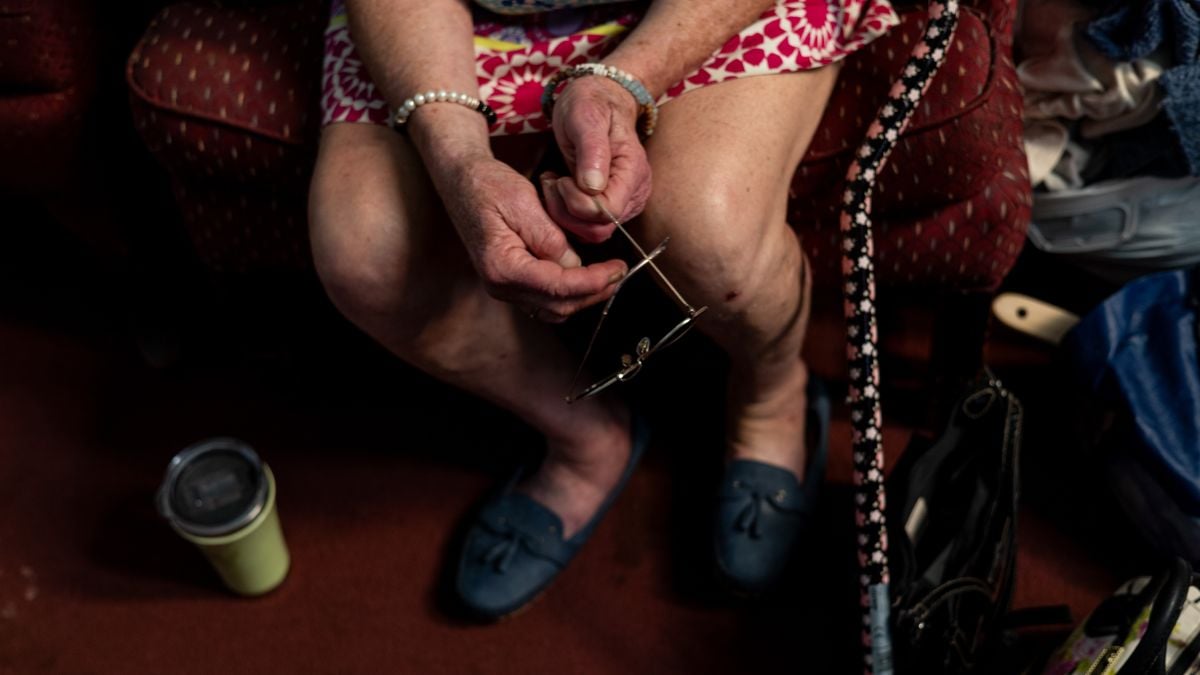
This week, our health reporter Rose Lundy has a deeply reported story that fits into each of these categories, a portrait of a population whose struggle with opioid addiction has been largely overlooked: older Mainers. She spoke to the street medicine team in Bangor about the shift they've seen — more older adults doing harder drugs — and to doctors, addiction specialists, and people in recovery about what treating the problem requires.
We also have a piece by Tux Turkel that looks at how state lawmakers are thinking about energy policy — while they may disagree on the approach, all say affordability is key. And in our latest Maine Monitor Radio Hour, I sat down with our joint Bangor Daily News/Maine Monitor rural government reporter Daniel O'Connor to discuss his reporting on Washington County's budget crisis and the groups that are influencing school board debates over transgender students.
Plus, from our Monitor Local team: a town-by-town breakdown of what Washington County's debt could mean for taxpayers, and the latest on the debate over potential changes to Maine's libraries. As one person put it after the Maine State Library Commission decided to postpone its vote: “Democracy still lives!”
This Thanksgiving weekend and always: We are grateful to get to do this work, and for all your support. Thank you.
— Stephanie
|