|
Woodland Pulp pausing mill operations until end of December
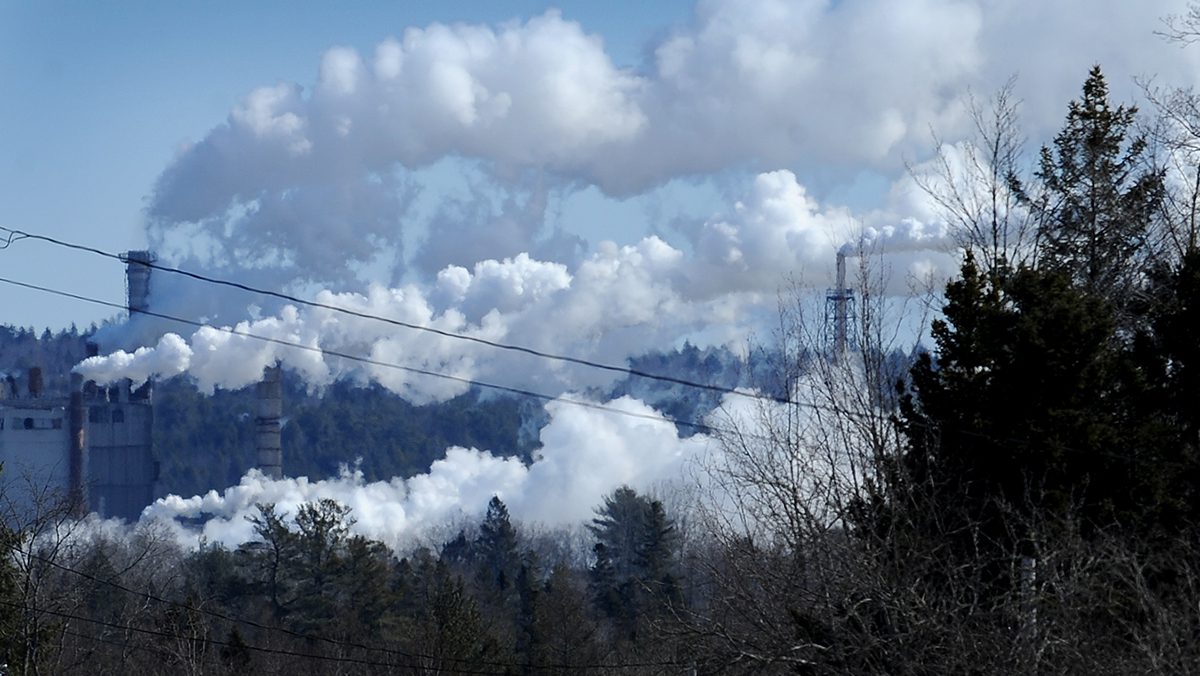
Woodland Pulp announced to its employees on Tuesday that the company will pause manufacturing at its Baileyville pulp mill and wood chip plant from late November to mid-December.
During that month-long hiatus, the company will temporarily lay off 144 employees at both facilities, said Woodland Pulp spokesperson Scott Beal. Woodland Pulp is Washington County’s largest employer, and the layoffs will apply to about one third of the mill workforce.
In a Wednesday interview with The Maine Monitor, Beal attributed the “extended downtime” to declining prices in the global pulp market, not an additional 10 percent tariff that the Trump administration added to Canadian timber products in mid-October.
“I don't think it's done anything to help,” Beal said of the tariffs, “but the reason for the downtime is driven purely because of the market.”
Poised on the banks of the St. Croix River directly across from Canada, Woodland Pulp is one of Maine’s last major mills. It produces pulp that is then sold to paper makers around the world.
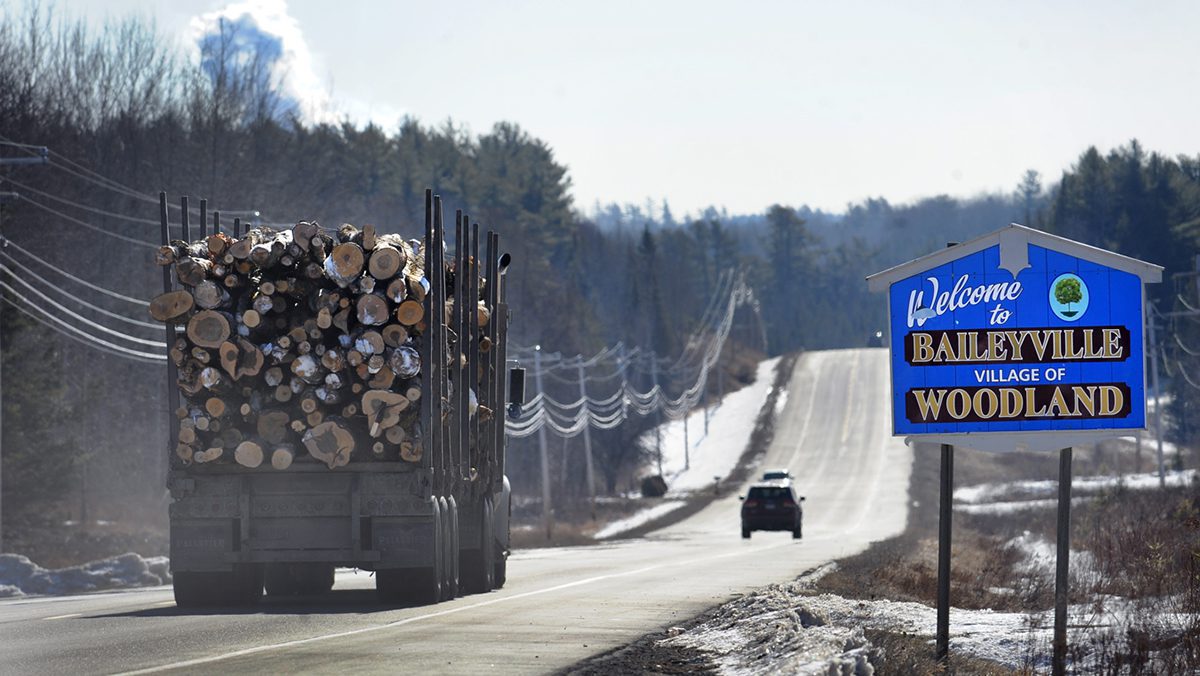
On any given day, Woodland Pulp receives 120 to 140 truckload-equivalents of wood, Beal said, but it stopped accepting new deliveries at the end of October. The company likely won’t begin again for another two months after it processes the materials it has stockpiled.
The latest tariffs on Canadian softwood lumber imports don’t apply to the unfinished timber that Maine mills source for their pulp and paper products, according to Adam Daigneault, director of the University of Maine’s School of Forest Resources.
However, Daigneault said that broader tariffs on Canadian and European manufacturing equipment may add to the financial difficulties Maine mills are already experiencing from poor pulpwood markets.
“Forest products mills in general have noted that general uncertainty [has] limited their ability for medium and long run planning,” Daigneault said in an email.
In addition to the recent tariff increase, the Trump administration instituted a tariff of up to 35 percent on Canadian softwood lumber imports in August. Officials claim that Canada unfairly subsidizes its timber industry because it charges private logging companies low rates to log Canadian public lands, a dispute that dates back decades.
American trade officials say Canada’s system undercuts timber prices in the U.S. where loggers must pay more competitive prices to harvest from private, state or federal lands. |