|
Maine entrepreneurs see big potential in seaweed
Alexa McGovern first read about the potential health consequences of microplastics when she was pregnant. When her daughter was eight months old, McGovern was diagnosed with breast cancer, with no family history or genetic predisposition. She remembers her doctors saying environmental factors could have played a role.
“I just kept orbiting around this toxin problem, and thinking about how materials can either aid or abet that problem,” she said.
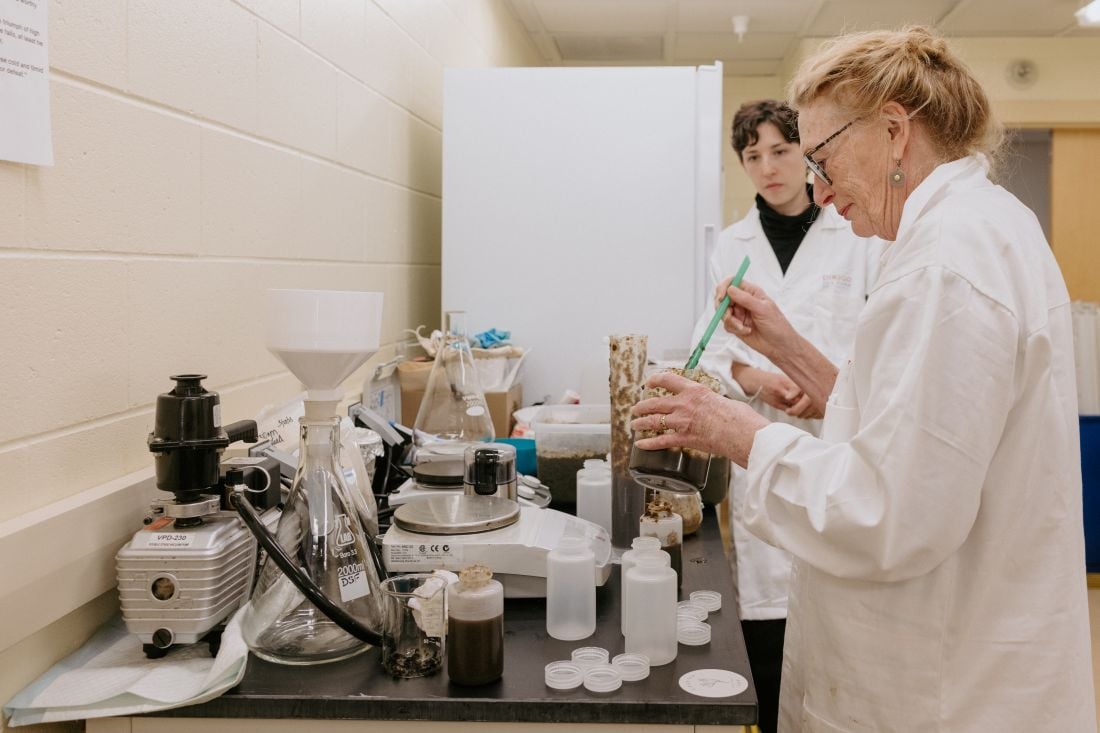
McGovern has long been interested in seaweed farming, and in 2023 she founded Dirigo Sea Farm, a company that uses Maine kelp to produce bioplastic. Now, as the company identifies its first potential customers for a substitute for the plastic wrapping around dishwasher and laundry detergent pods, McGovern said she’s focused on how seaweed can be an economic driver for communities.
She joins a growing group of entrepreneurs and researchers along Maine’s coast who see big potential for bioplastics derived from seaweed.
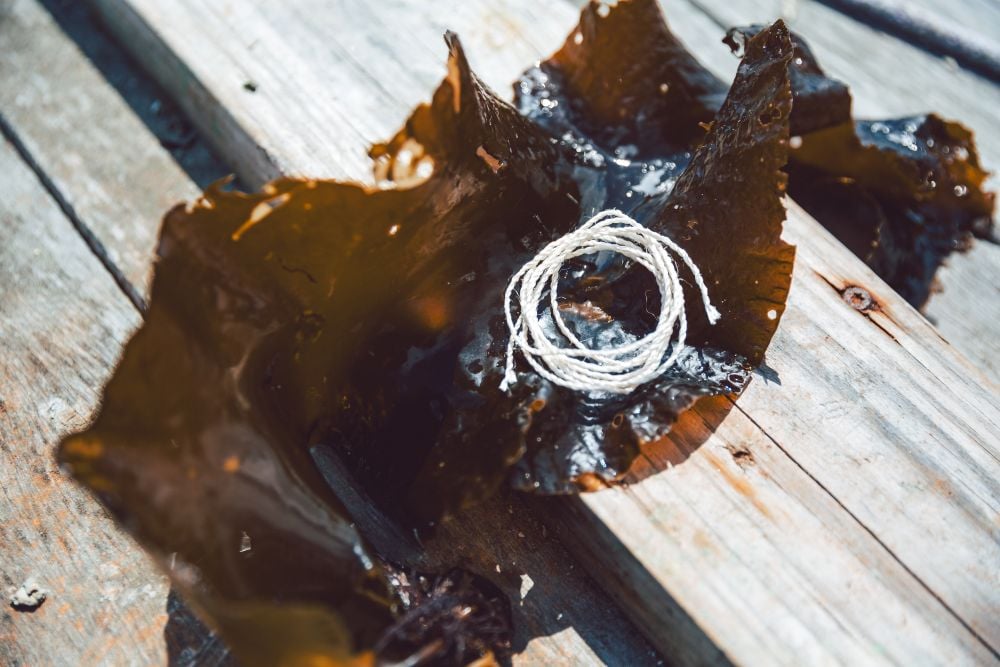
Another one is Katie Weiler, whose company Viable Gear is currently piloting a kelp-derived twine product that has applications in the agriculture and aquaculture industries. Since founding the company in 2021, Weiler has been laying the groundwork for affordable products that can help fishermen and land and sea farmers reduce their plastic usage.
As Weiler and McGovern work to scale up their businesses, they’re coming up against tough questions regarding cost and manufacturing capacity, and how to compete with the plastics industry.
“It’s really important to be price competitive, you can’t be 100 times more,” McGovern said.
She’s optimistic that over time, scaling the industry up will help drive prices down. The challenge, though, is figuring out how to build up manufacturing and processing capacity to accommodate an industry with lots of moving pieces, from growing and harvesting the seaweed to refining it for the inputs that can be used in bioplastic products. |