|
These choices can increase happiness
In the depths of the pandemic, my mom called me about an online happiness course she was taking. She told me about the simple ways she was learning to increase the light in her own life, recounting the joy she felt when doing intentional acts of service for friends or taking time to notice small moments of beauty such as a butterfly in her backyard.
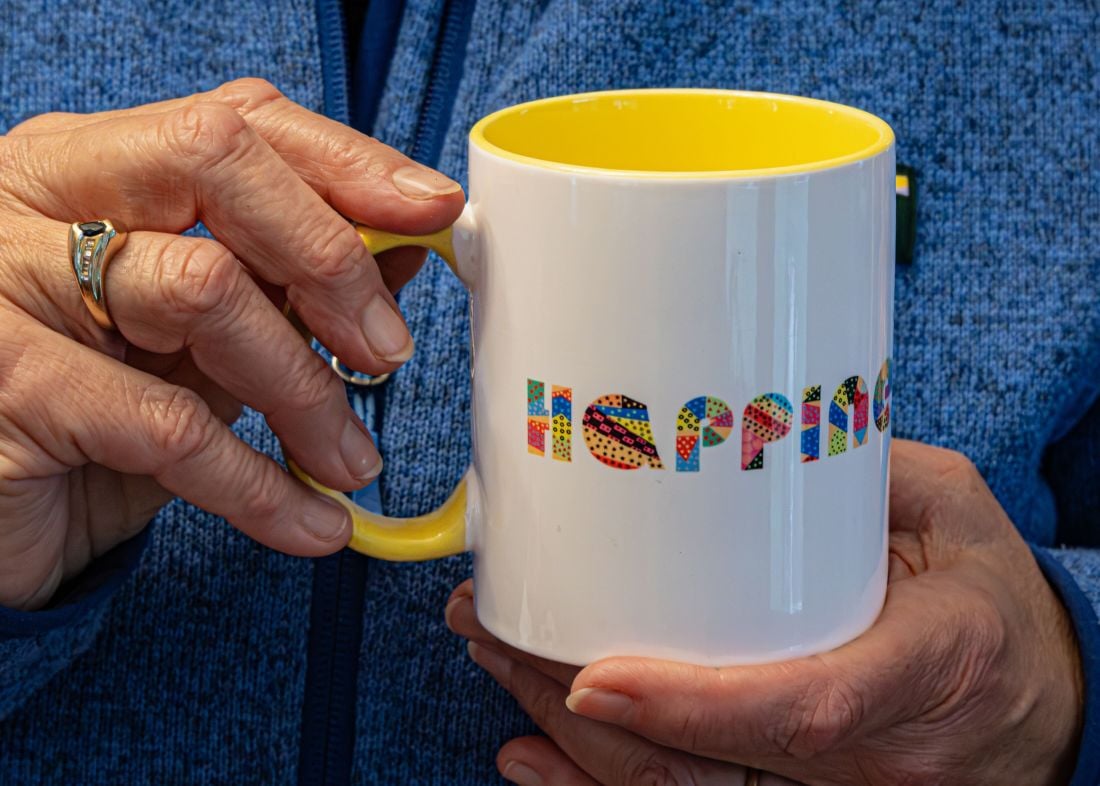
As a result of the class, she delivered bright yellow mugs with “happiness” embossed on them to three friends who were also taking the class. The friends loved the mugs so much that one of them then ordered my mom the same mug.
Reflecting back on it now, my mom said that class helped her get through the pandemic, especially when everyone was stuck at home.
“I developed a greater appreciation for smaller opportunities of joy,” she said. “The course taught me how to notice awe-inspiring things, even if they are little, and to do random acts of kindness.”
This fall, Gail Platts hosted a similar, free, in-person course on happiness over six weeks through Scarborough Community Services, which is town run. Platts, the active adults coordinator, told me there are steps people can take to change their mindsets to be happier. The human brain has been trained to search out threats, which has historically kept us safe, she said. However, now that outlook means fear and suspicion can outweigh gratitude or trust.
“Our natural disposition is to still look for negatives first, but if we practice to look for the good, then it can rewire our brain, and it can help make us happier,” Platts said.
Doing so is especially important at a time when happiness in America is on a years-long decline. A report card on happiness, put out by the Common Good, based in New York, found that the U.S. is among the top-five loneliest countries, with one in five Americans feeling lonely always or mostly always.
Platts’ course on happiness centered on a different theme each week: gratitude, self-care, relationships, resilience, kindness and meaning. After learning about the importance of the theme each week, the 15 participants had homework to put it into practice. They then shared with each other how it went. Participants were ages 60 to 85.
During the week focused on gratitude, Platts asked participants to make note of things they were grateful for: the vibrant sky, a dog wagging its tail in greeting, a neighbor’s thriving garden.
Relationships are important to maintain, especially as you age, Platts said. Studies have found that relationships — more than genetics or education — contribute to healthier lives. Platts had participants send a note to someone they appreciated but who was not expecting a thank you. Many of the people who received the note then called to thank them for it, continuing a cycle of gratitude, Platts said.
There are lessons we can learn about resilience from three Scandinavian countries that are among the happiest in the world. Denmark has “hygge,” which Platts said is the idea of leaning into the cold and dark by celebrating it, rather than bemoaning it. Sweden has “lagom,” which is the concept of everything in moderation. And Norway has a saying that translates to: “Up and not crying,” which Platts said is about holding things together even if they aren’t perfect.
All of the themes explored during the course work together to help people develop meaning in their lives.
“Meaning isn't something that we chase. It's something that we create through how we connect and contribute and how we show up,” she said.
One of the examples stuck with me. Platts said one of her participants felt frustrated when the sun set early during the winter — a sentiment I relate to. She decided to change her mindset and instead celebrate this time by lighting a candle and having her tea as the sky darkened.
“A lot of times we feel like life happens to us, but we're not just passive observers,” Platts said. “We also have influence over our experience.”
Perhaps tomorrow when the sun sets at 4 p.m., instead of being grumpy about the darkness, I’ll celebrate by calling my mom to chat, each of us holding our own mugs of tea. |