Share
+ more Maine environmental news.
 ‌ ‌ ‌ ‌ ‌ ‌ ‌ ‌ ‌ ‌ ‌ ‌ ‌ ‌ ‌ ‌ ‌ ‌ ‌ ‌ ‌ ‌ ‌ ‌ ‌ ‌ ‌ ‌ ‌ ‌ ‌ ‌ ‌ ‌ ‌ ‌ ‌ ‌ ‌ ‌ ‌ ‌ ‌ ‌ ‌ ‌ ‌ ‌ ‌ ‌ ‌ ‌ ‌ ‌ ‌ ‌ ‌ ‌ ‌ ‌ ‌ ‌ ‌ ‌ ‌ ‌ ‌ ‌ ‌ ‌ ‌ ‌ ‌ ‌ ‌ ‌ ‌ ‌ ‌ ‌ ‌ ‌ ‌ ‌ ‌ ‌ ‌ ‌ ‌ ‌ ‌ ‌ ‌ ‌ ‌ ‌ ‌ ‌ ‌ ‌ ‌ ‌ ‌ ‌ ‌ ‌ ‌ ‌ ‌ ‌ ‌ ‌ ‌ ‌ ‌ ‌ ‌ ‌ ‌ ‌ ‌ ‌ ‌ ‌ ‌ ‌

View in browser   |   Forward

logo for the climate monitor newsletter

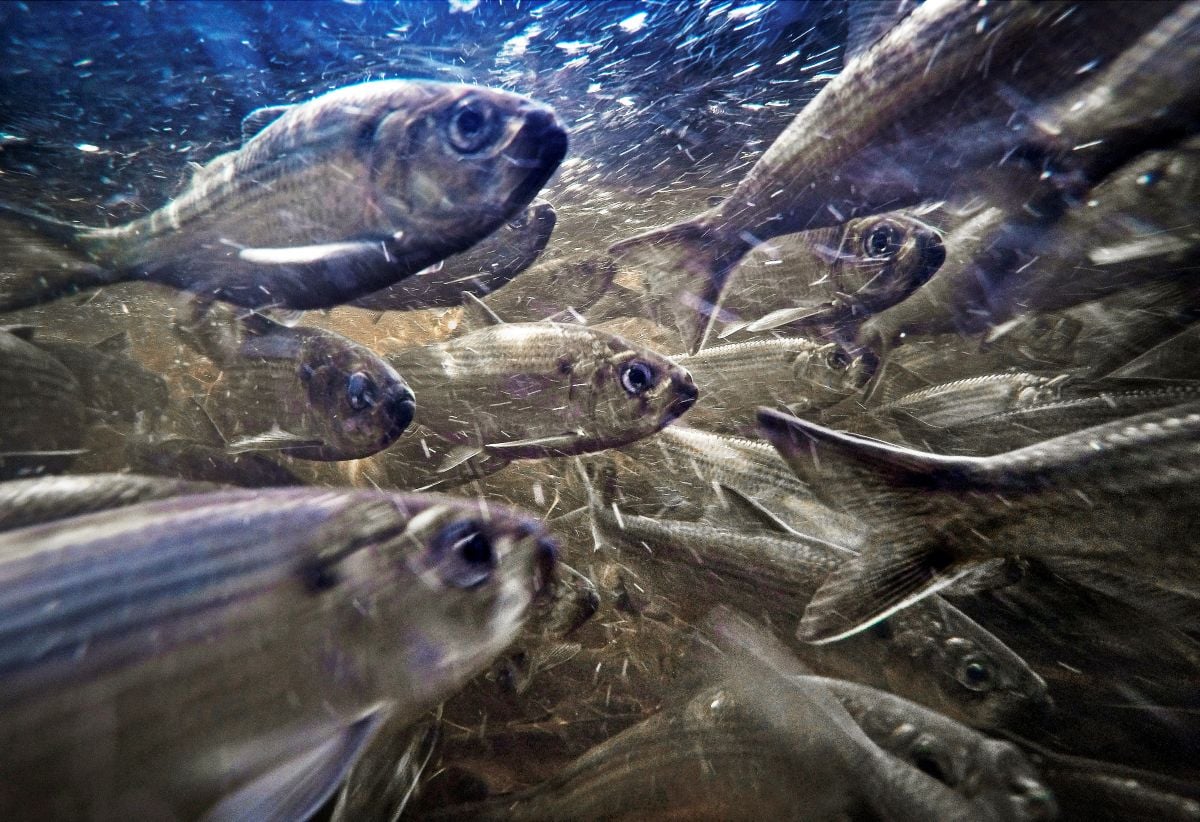
Alewives swim in a stream on May 16, 2021, in Franklin, Maine. The fish were once headed for the endangered species list but have been making a comeback in some U.S. states. Photo by Robert F. Bukaty of the Associated Press.

banner that says by Delger Erdenesanaa, the environment reporter for the maine monitor

Alewives returned late to smaller Maine rivers this year


By June 10 the fish were supposed to have come and gone already, but there they were. At first, they looked like a shadow in the water. On closer inspection, the dark blob resolved into hundreds, maybe thousands, of small silvery fish.


They swam against the current of the Damariscotta River, braving a large gathering of gulls looking for dinner. Just ahead, the fish faced an uphill climb through dozens of small stone pools built to facilitate their passage from the ocean to Damariscotta Lake.


Alewives and blueback herring, which look very similar and are known together as river herring, spend most of the year at sea. But each spring, they return to the inland waters of their birth to spawn the next generation.


“This year was an odd year,” said Mark Becker, the fish agent for the towns of Newcastle and Nobleboro, who oversees the two towns’ commercial harvest of river herring. The fish are sold to lobster fishermen to use as bait.


In Maine, alewives generally appear in May. But this year, their spring run got off to a slow start. At the Damariscotta Mills fish ladder, which straddles both Newcastle and Nobleboro, Becker declared the harvest over by May 31 because there weren’t enough fish. But a week later, they finally arrived, and big groups kept running up the fish ladder until mid-June.

READ THIS STORY
banner that reads "on our radar"

A recent story by the Morning Sentinel brings readers inside the local discussions and plans shaping the future of the Kennebec River. Last year, The Nature Conservancy bought four dams on the river from Brookfield Renewable (news my predecessor Emmett Gardner covered at the time), for the eventual purpose of removing them and restoring a free-flowing river for migratory fish such as alewives and the endangered Atlantic salmon.


Beside these dam removals, there’s also an ambitious riverside park under construction in Skowhegan, and open questions about how to predict and manage flooding from snowmelt. 

banner ad for the wells reserve
banner that reads from the maine monitor

Jay data center developer sought to give Janet Mills ‘cover’ for key veto, emails show | The Maine Monitor & Bangor Daily News


Jonesport weighs changes to Shoreland Zoning Ordinance, giving 30‑month extension for Kingfish aquaculture project | Monitor Local


Coalition of Eastport residents submits petition to prohibit large data center project | Monitor Local

banner that reads in other maine environment news

The following stories are from other newsrooms. While The Maine Monitor does not place its content behind a paywall, some newsrooms we link to below may. Paywalled stories are followed by a ($). We encourage you to consider supporting local Maine newsrooms.

Aroostook sees record-breaking heat | Bangor Daily News ($)


Maine's first residential microgrid proposed in Saco | Maine Public


Preserving Maine’s blueberry landscape proves difficult as barrens put up for sale | Bangor Daily News ($)


3 Aroostook towns are banding together to fight rising energy costs | Bangor Daily News ($)


Amid a proposed rate hike, Central Maine Power customers are already struggling to pay their bills | WMTW


Maine has a record number of piping plover breeding pairs this year | Maine Public


Volunteers are mapping Maine's missing mussels | Maine Public


Code enforcement officers are a ‘dying breed’ in Maine. That’s a problem. | Portland Press Herald ($)


A smell, a school, and a state investigation | Midcoast Villager ($)


The impossible task of throwing away lobster rope | Midcoast Villager ($)


Skowhegan River Park breaks ground: ‘Big things can happen in small towns’ | Morning Sentinel ($)


In the woods of Maine, searching for an answer to a ticking climate bomb | Boston Globe ($)

Know of someone who is passionate about getting information into the hands of their fellow citizen? They might be perfect for the community reporting fellowship. Click the banner for more information and to apply.

Have feedback, a correction or know of something we should look into? Send it to our newsroom. You can also email The Monitor's editors: editors@themainemonitor.org.  


The Maine Monitor is a publication of the Maine Center for Public Interest Reporting, an independent and nonpartisan nonprofit news organization that produces investigative journalism. We believe news is a public good and keep our news free to access. We have no paywall and do not charge for our newsletters. If you value the reporting we do for Maine, please consider making a donation! We cannot do this reporting without your support.

DONATE NOW
banner that states the maine monitor is part of the trust project, an international consortium of news organizations implementing transparency standards. tap to learn about the monitor's editorial standards.

Manage preferences | Update email address


Email Marketing by ActiveCampaign